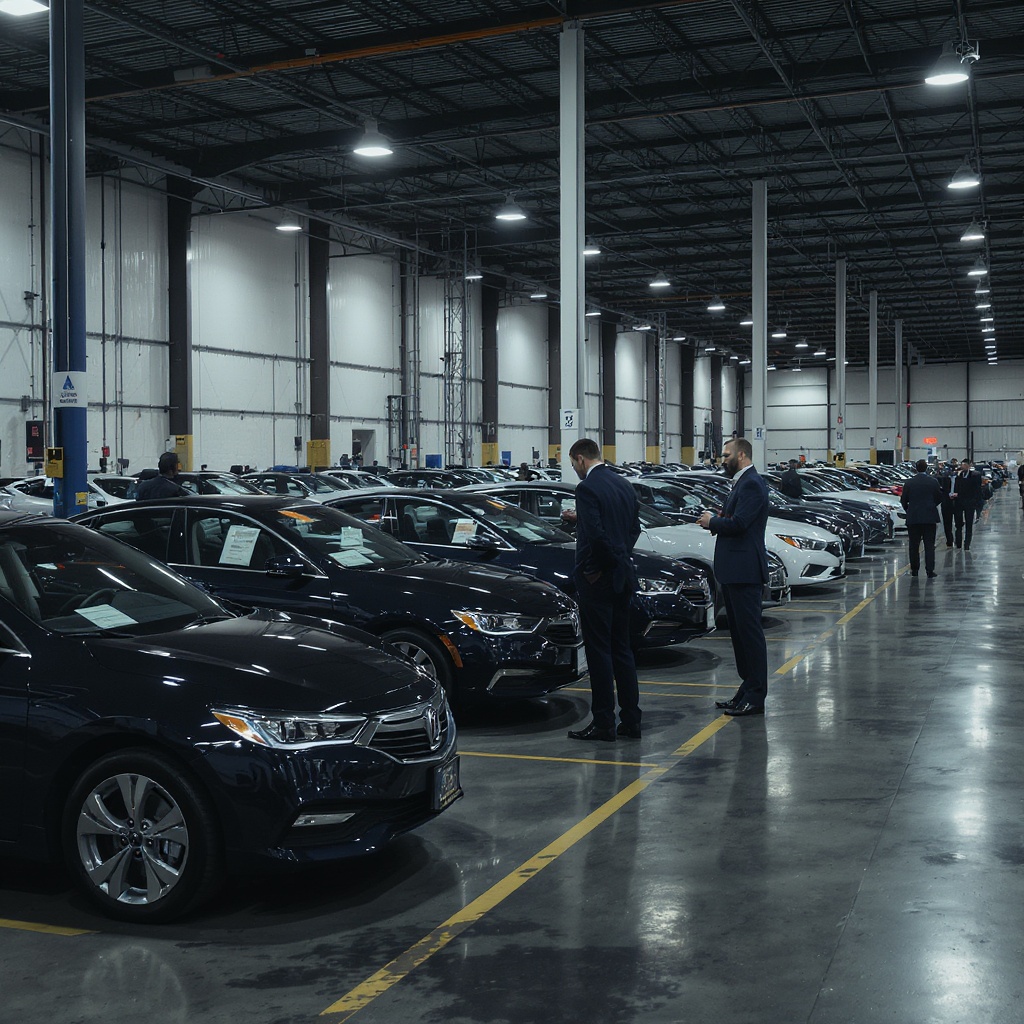
How a Vehicle Flows From Auction to Retail Lot
Here is the full journey of a 2022 Toyota RAV4 with 35,000 miles:
- Off-lease disposition — A bank or lender lists it at ADESA or Manheim. Opening bid: $19,200.
- Wholesale auction — Dealers bid. Final hammer price: $20,400. This is the actual market value — set by competitive dealer bidding.
- Dealer acquisition and recon — Dealer pays $20,400 + 4% auction fee ($816) = $21,216. Recon and detail: $900. Total dealer investment: $22,116.
- Retail lot listing — Sticker price: $26,400. "Sale" price after negotiation: $24,800. Dealer margin: $2,684.
- You pay — At the lot: $24,800. At the auction (through FlipLane): $20,400 + fees + transport. Difference: $4,000+ in your pocket.
The Numbers Do Not Lie — Retail vs. Auction
| Cost Component | Auction Purchase | Retail Lot Purchase |
|---|---|---|
| Vehicle price | $20,400 (hammer) | $24,800 (negotiated) |
| Auction fees (4%) | $816 | N/A |
| Dealer overhead | $0 | ~$2,500 |
| F&I products | $0 | $500–$1,500 |
| Transportation | $300–$600 | $0 (buyer picks up) |
| Total | ~$21,500–$21,800 | ~$25,800–$26,800 |
You are saving $4,000–$5,000 on a single vehicle. That math does not get better with negotiation. It only gets better with a different channel.
Why Do Retail Lots Still Exist?
Two reasons: access and convenience. Most buyers do not know they can buy at auction. The dealership is the visible, familiar option. And you can test drive, get financing on-site, and drive home the same day. These conveniences have real costs — measured in thousands of dollars.
What the 2026 Wholesale Market Is Doing to Retail Prices
Manheim's March 2026 data shows the Used Vehicle Value Index at 215.3 — up 6.2% year over year. Auction conversion rates hit 68.2% in Q1 2026, indicating strong dealer demand for quality inventory. Strong wholesale demand = firm wholesale prices = firm retail prices. The gap between auction and retail is not closing.
The window to buy at wholesale is now. This market is not getting more consumer-friendly by waiting.